Cultural Grill Traditions Over an Open Fire in Europe
Open-fire grilling in Europe began as a necessity and evolved into ritual. From Viking fire pits in the north to whole lamb on a Greek souvla, European cultures built their food traditions around wood, embers, and patience. What unites them is simple: controlled heat, quality ingredients, and cooking as a social act. Modern grillers can learn a great deal from these old-world methods, especially when using grills designed for real fire management rather than convenience.

Cooking Food Over an Open Fire, An Age-Old European Tradition
Long before stainless steel gas grills and temperature dials, Europe cooked with wood.
Fire was not a hobby. It was survival.
In villages, castles, and rural farms, the hearth was the center of daily life. Meat hung on iron hooks. Bread baked against stone walls. Stews simmered over glowing embers.
Open-fire cooking shaped European cuisine long before the word barbecue became common.
Fire and Embers as the Original Heat Source
The key was not flame. It was embers.
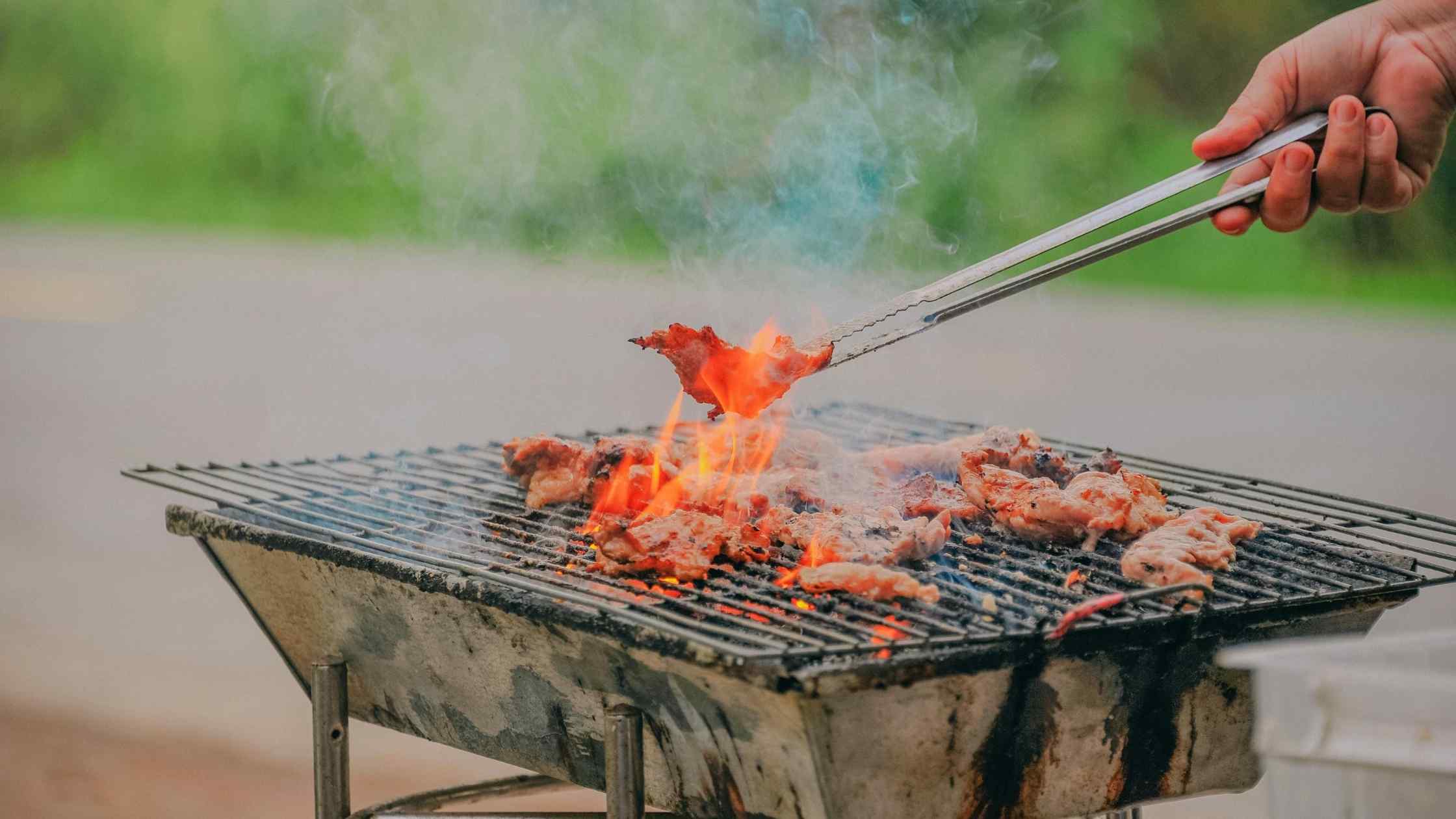
Hardwood burned down into steady, radiant heat. Cooks learned quickly that flames scorch, while embers cook evenly. That lesson appears again and again across European grilling traditions.
Even today, the most experienced fire cooks build their heat in stages. First flame. Then coal bed. Then controlled cooking.
Meat, Preservation, and Survival
In colder climates especially, meat preservation mattered. Smoking, drying, and slow roasting developed as practical techniques.
Large joints were often cooked over open pits during seasonal gatherings. Whole animals were rotated on iron spits powered by hand or simple mechanical systems.
These methods were not refined for aesthetics. They were built for reliability and feeding many mouths.
Vegetables and Bread in the Hearth Culture
European fire cooking was not only about meat.
Root vegetables were buried in ash. Flatbreads were baked on stone slabs. Chestnuts were roasted directly in embers during autumn festivals.
Fire touched everything.
Where European Barbecue Culture Began
Unlike the American barbecue narrative, European open-fire cooking does not trace back to one origin point. It developed region by region.
Medieval Hearth Cooking

In medieval homes, the hearth dominated the interior space. Iron grates suspended over embers allowed for direct cooking. Adjustable chains raised and lowered pots and meat to control heat.
Sound familiar?
Modern adjustable grill systems borrow heavily from these early solutions.
Open-Pit Feasting and Community Gatherings
Feasts marked harvests, religious celebrations, and victories. Whole animals roasted outdoors over pits dug into the earth.
Cooking became communal. It required teamwork to manage wood, rotate spits, and carve meat.
The act of cooking together reinforced community bonds. That tradition survives in many European cultures today.
The Transition from Survival to Celebration
As Europe industrialized, open-fire cooking shifted from daily necessity to cultural ritual.
Grilling moved outdoors. It became associated with festivals, countryside gatherings, and weekend meals.
Fire transformed from survival tool to symbol of connection.
Southern Europe’s Fire Traditions
Southern Europe may have preserved open-fire grilling more visibly than other regions.
Spain and Wood-Fired Lamb

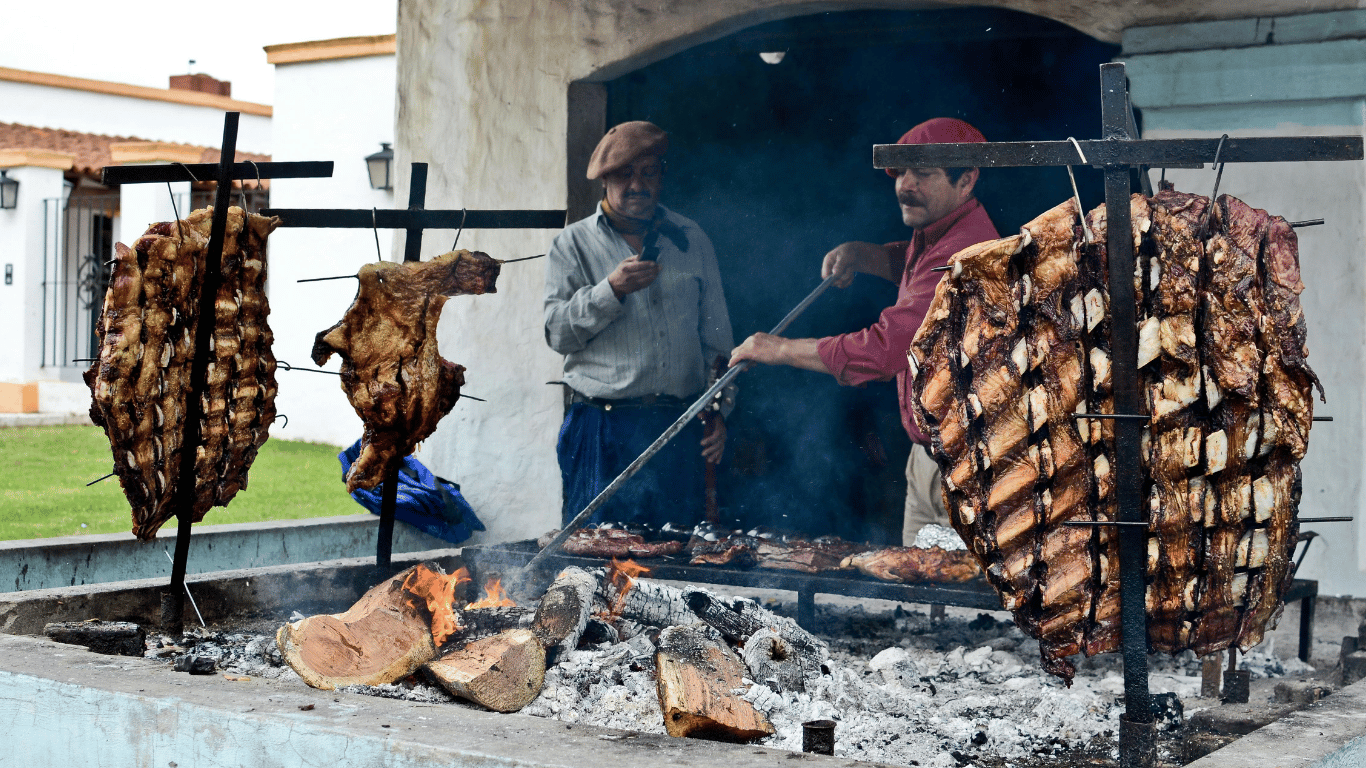
In rural Spain, especially in Castile and the Basque region, lamb is roasted slowly over oak embers. Iron frames hold the meat upright, similar to South American cross-style techniques.
The focus is restraint. Salt. Patience. Proper wood.
Portugal and Churrasco Influence
Portuguese grilling relies on wood charcoal and simple iron grates. Seafood, sardines, and pork are grilled close to embers, often in coastal villages where the catch goes straight to the fire.
Again, flame is avoided. Ember control defines quality.
Greece and the Souvla Tradition
In Greece, whole lamb rotates slowly on a souvla over wood coals during Easter celebrations.
This method mirrors ancient spit-roasting practices dating back thousands of years. The meat cooks evenly as fat renders gradually into the coals, creating aroma without uncontrolled burning.
Central and Northern Europe’s Open-Fire Heritage
Colder climates did not abandon fire cooking. They adapted it.

Viking Fire Pits and Iron Grates
Archaeological evidence shows Vikings used stone-lined pits and iron grates to roast meat and fish.
Cooking was practical, portable, and suited for harsh conditions. Hardwood embers provided consistent heat in windy environments.
German and Alpine Forest Cooking
In forested regions, hunters cooked game over open flames during expeditions. Sausages became common because they preserved meat efficiently and cooked quickly over embers.
Even today, grilling sausages over wood in forest clearings remains a strong cultural image across Germany and Austria.
Eastern European Whole-Animal Roasting

In parts of the Balkans and Eastern Europe, whole pigs or lambs roast over open pits during weddings and major celebrations.
It is not a quick meal. It is an event.
Fire becomes the center of attention for hours.
What These Traditions Have in Common
Despite regional differences, the fundamentals rarely change.
Control of Embers Rather Than Flames
Every serious European fire tradition understands one rule. Flames are for building heat. Embers are for cooking.
This principle separates casual grilling from true open-fire craft.
Slow Cooking as a Social Ritual
Whether in a Greek village, a Spanish countryside gathering, or a Balkan wedding, the cook does not rush.
Time is built into the experience.
Heavy Iron Grates and Adjustable Heights
From medieval hearth chains to modern outdoor grills, height adjustment remains critical.
If you want to replicate European open-fire traditions properly, your grill must allow ember management and height control. Without that, you are improvising rather than honoring technique.
Well-designed open-fire grills make this easier. They allow you to cook low and slow, adjust distance precisely, and manage wood as a primary fuel source.
That design philosophy is not new. It is centuries old.

What Modern Grillers Can Learn from Europe’s Open-Fire Culture
You do not need a castle hearth or a rural hillside to apply these lessons.
You need three things.
Quality wood • Patience • A grill built for real fire control.
Gas can be convenient. But if you want to understand cultural grill traditions over an open fire in Europe, you must work with embers. You must learn to read heat visually. You must accept that good cooking takes time.
If you are serious about mastering this style, invest in equipment that respects the craft rather than shortcuts it. A proper open-fire grill with adjustable height and solid construction brings these traditions into a modern backyard without losing authenticity.
And if you want deeper guides on fire management, wood selection, and traditional grilling techniques, join the Omberg newsletter. We focus on practical knowledge rooted in real fire culture, not trends.

Because in the end, open-fire cooking is not about nostalgia.
It is about doing something fundamental the right way.