How to Host a Traditional Asado
TLDR
To host a traditional asado, focus on three things: fire control, quality meat, and atmosphere. Build a proper wood fire and cook over embers, serve meats in stages, keep seasoning simple, and let the gathering unfold slowly. With the right tools and a little patience, you can recreate an authentic Argentine asado in your own backyard.
What Makes a Traditional Asado Different?
An asado is not a quick barbecue.
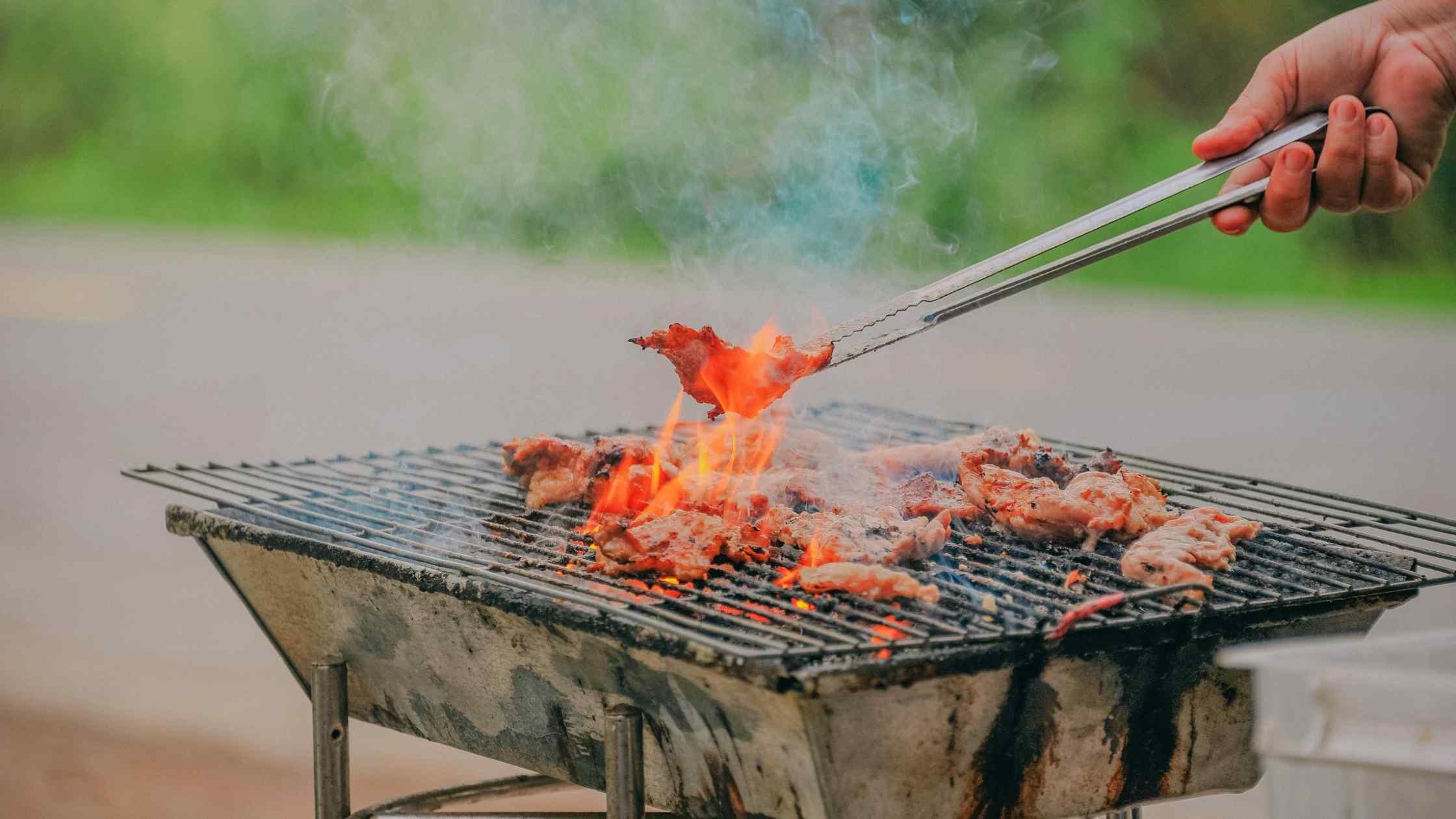
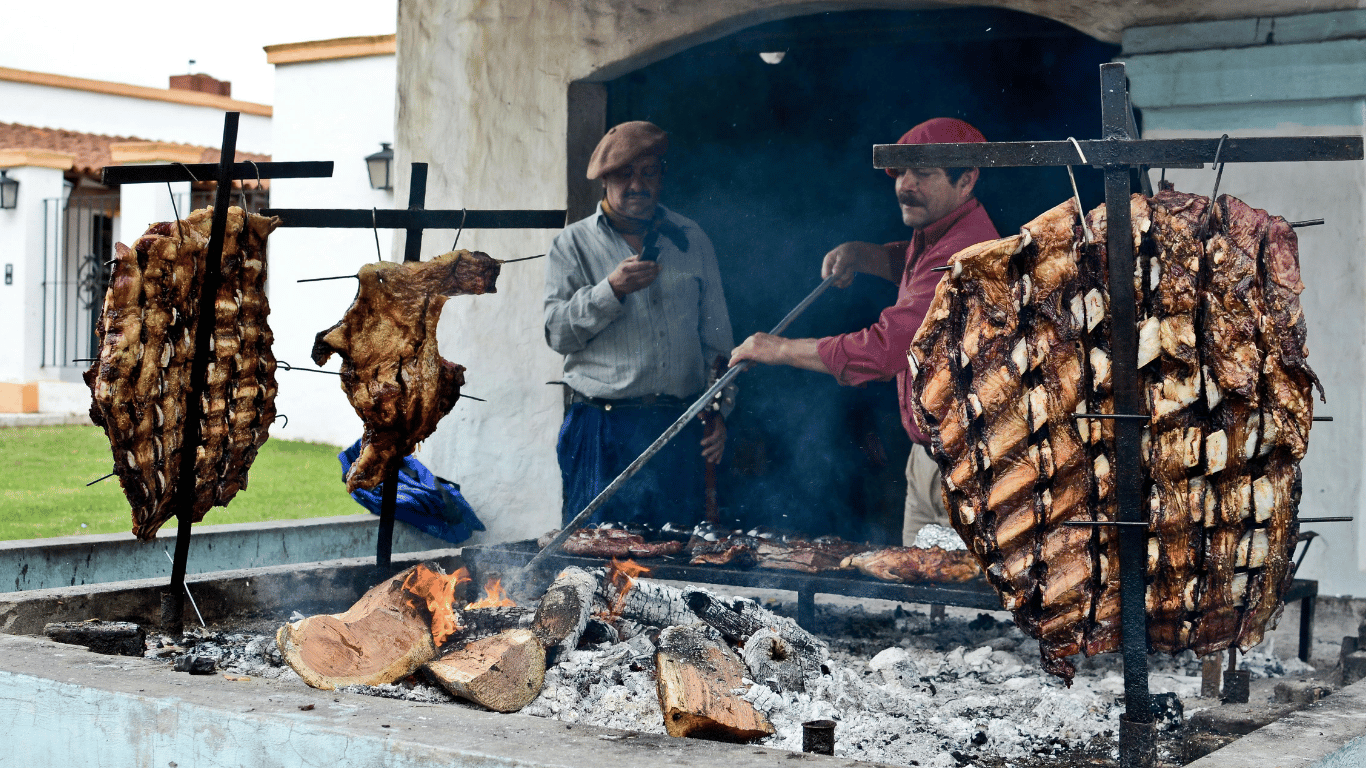
It is a slow ritual centered around fire. The asador manages the embers, controls timing, and serves meat gradually while guests gather around the grill.
Unlike a typical backyard BBQ where everything hits the grill at once, an asado unfolds in waves. Sausages first. Then ribs. Then the larger centerpiece cuts.
Fire comes first. Food follows.
Step 1: The Preparation
Great asados begin long before the fire is lit.

Choosing the Right Cuts of Meat
A traditional asado often includes:
-
Short ribs
-
Vacío or flank
-
Entraña or skirt steak
-
Chorizo
-
Morcilla
Plan for generous portions. Asado is not about small plates.

Calculating Portions Per Guest
A safe rule is about 500 to 700 grams of meat per adult, depending on the crowd. Argentine gatherings lean toward abundance.
Prepping Your Grill for Wood or Charcoal
A proper open-fire grill makes this easier. Ideally, you want:
-
An adjustable grill grate to control height
-
A brasero or side fire box for building embers
-
Heavy-duty grill grates that retain heat evenly
-
A built-in thermometer for reference, even if you rely mostly on feel
Accessories that make a noticeable difference include:
-
Long-handled fire tongs for moving embers
-
A coal rake for managing heat zones
-
A sturdy meat hook set for handling larger cuts
-
A wooden cutting board with juice groove
-
A sharp slicing knife for serving
These tools are not decorative. They give you control, and control defines good asado.

Setting the Table the Argentine Way
Step 1 - Simple and centered - get comfortable
Keep it simple. Bread, chimichurri, wine glasses, and plenty of seating near the grill.
The grill is the center of gravity.
Step 2: Firing Up the Grill
Now the real work begins.
Selecting the Right Wood
Hardwoods such as oak burn steadily and produce clean embers. Avoid softwoods that spark or create bitter smoke.
Building the Fire Properly
Start with flame. Let it burn down.
Do not rush this step. Cooking over active flames is one of the most common mistakes beginners make.
A charcoal chimney starter can help if you are using lump charcoal, but for a true asado experience, building a wood fire in a brasero and transferring embers under the grill offers better control.
Creating and Managing Embers
Use a coal rake to spread embers evenly beneath the grill surface. Create two zones: one hotter, one cooler.
With an adjustable-height grill system, you can fine-tune heat without constantly moving the meat. Raise the grate for gentler cooking. Lower it slightly when you need more intensity.
This is where serious open-fire equipment shows its value.
Step 3: The Grilling Sequence
Timing matters.
Start with Chorizo and Morcilla
These cook relatively quickly and give guests something to enjoy early. Serve them sliced with bread and chimichurri.
Move to Ribs and Larger Cuts
Place ribs bone-side down and let them cook slowly. Larger cuts like vacío need steady, moderate heat.
Salt the meat just before or during cooking, not hours in advance. Argentine tradition favors simplicity.
Use long-handled tongs for turning. Avoid piercing the meat unnecessarily.
Control Heat with Height, Not Panic
Instead of constantly flipping or shifting food, adjust your grill height or ember distribution.
Patience beats aggression every time.
Step 4: The Social Gathering
An asado is about flow.
Guests arrive while the fire is building. They stand nearby, ask questions, pour wine.
Serve meat as it finishes. Do not wait until everything is done. The experience should feel gradual and relaxed.
Music helps. Conversation matters more.
The asador stays attentive but never frantic.
Step 5: Side Dishes and Sauces
The meat is the star, but sides complete the picture.
Chimichurri
Parsley, garlic, red wine vinegar, olive oil, chili flakes, salt.
Prepare it ahead of time so the flavors settle.
Salsa Criolla
Tomatoes, onions, peppers, vinegar, oil.
Fresh and acidic to balance the richness of beef.
Simple Salads
A light green salad or grilled vegetables cooked in a cast iron pan over the embers add variety without distraction.
Accessories like a cast iron skillet or plancha surface expand what you can do over the same fire.
Step 6: The Sweet Finale
Dessert is usually simple.
Grilled peaches with a touch of sugar. Dulce de leche with pastries. Strong coffee once the fire begins to fade.
Let the embers die naturally. Clean your grill while it is still warm using a grill brush designed for heavy grates.
Close the evening slowly.
Shopping List for the Perfect Asado
Meat
-
Short ribs
-
Vacío or flank
-
Entraña
-
Chorizo
-
Morcilla
Sauces
-
Fresh parsley
-
Garlic
-
Vinegar
-
Olive oil
Spices
-
Coarse salt
-
Chili flakes
Vegetables
-
Tomatoes
-
Onions
-
Peppers
-
Salad greens
Something Sweet
-
Dulce de leche
-
Seasonal fruit
Fire and Equipment
-
Hardwood logs or lump charcoal
-
Adjustable open-fire grill
-
Brasero or ember basket
-
Fire tongs and coal rake
-
Meat hooks
-
Cast iron skillet or plancha
-
Sharp carving knife
The right accessories do not replace skill, but they make control possible. And control is everything in an asado.
Final Thoughts
If you are wondering how to host a traditional asado, remember this:
Do not rush the fire.
Do not overcomplicate the seasoning.
Do not treat it like a fast backyard cookout.
Respect the embers. Serve generously. Let people gather around the grill.
If you are serious about mastering this style, invest in equipment built for real wood-fire cooking and ember management. A proper open-fire grill transforms the experience from casual grilling into something closer to authentic Argentine tradition.
And if you want more practical fire techniques, meat guides, and hosting strategies, join the Omberg newsletter. We share real-world advice for people who take grilling seriously.
Because an asado is not just something you cook.
It is something you host.