Article: What Is Asado? The Art of Live-Fire Cooking Explained
What Is Asado? The Art of Live-Fire Cooking Explained
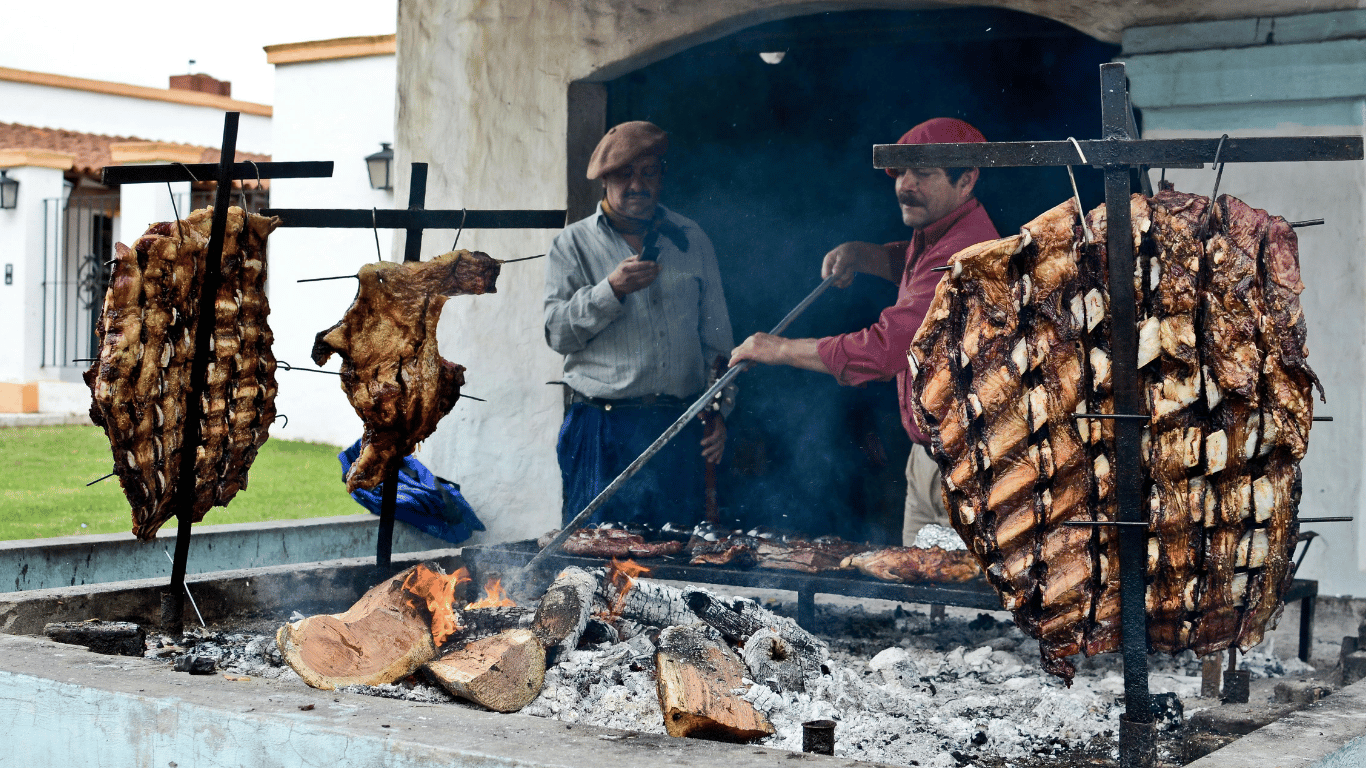
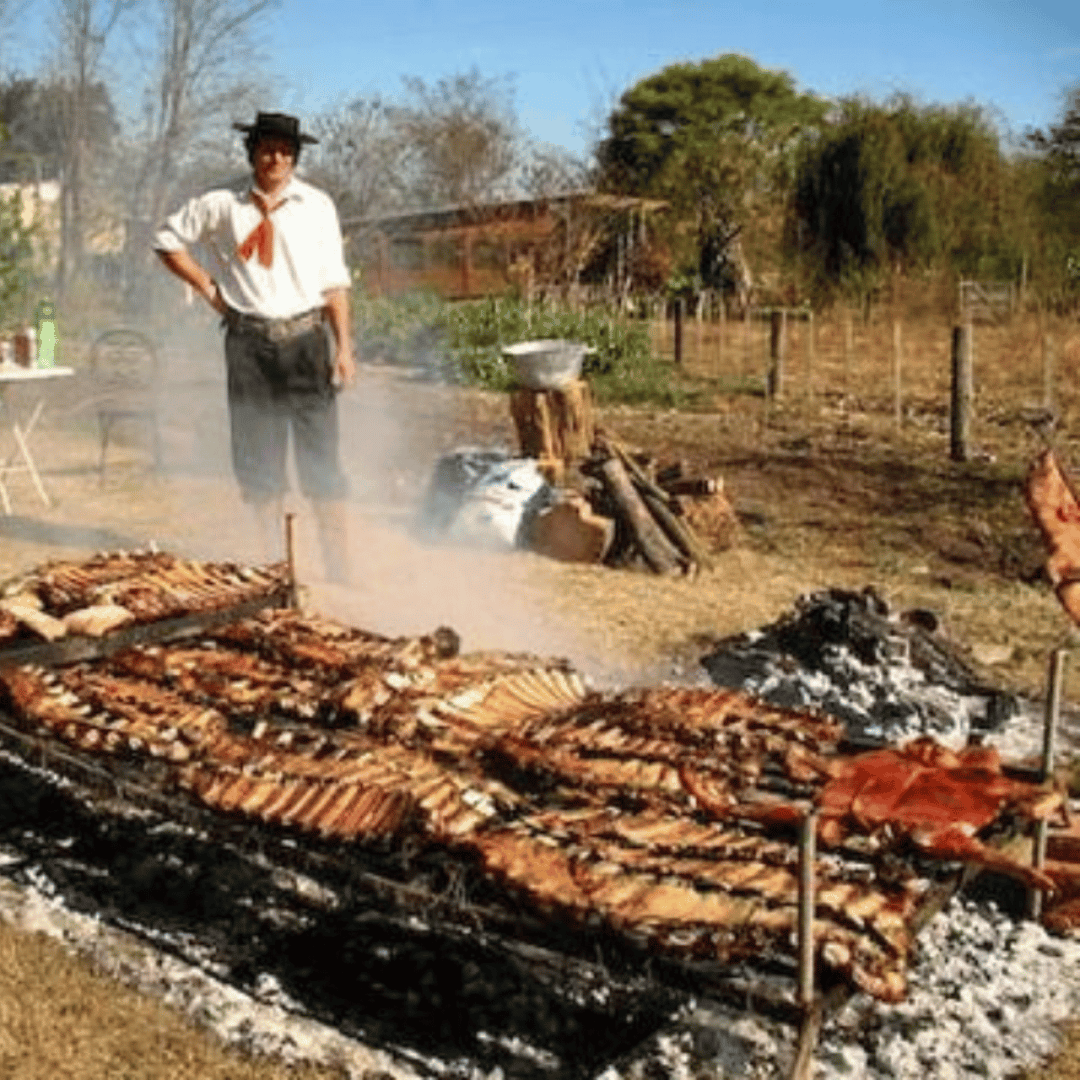
Asado is the traditional South American way of cooking over wood embers, not gas, not charcoal briquettes, and rarely with a lid. It began with Argentine and Uruguayan gauchos and has become one of the purest forms of live-fire cooking in the world. More than a technique, it is a ritual built around patience, fire management, and gathering people together. If you understand asado, you understand the soul of grilling.

What Is Asado?
At its simplest, asado means “roasted.”
In practice, it refers to both the method of cooking over wood embers and the social event built around it.
Asado comes from Argentina and Uruguay, where cattle ranching shaped food culture. The gauchos, South American cowboys, cooked meat over open fires on the plains. No complicated marinades. No sugary sauces. Just fire, salt, meat, and time.
Today, asado is still defined by three essentials:
-
Wood fire reduced to embers
-
Open grill cooking without a lid
-
Slow, controlled heat management
It is not the same as American barbecue, which often relies on closed smokers and long, indirect cooking with heavy seasoning. It is not standard grilling either, which often focuses on speed and high heat.
Asado sits somewhere deeper. It is deliberate. Intentional. Rooted in firecraft.
Asado Is More Than Food. It Is a Ritual.
If you ask an Argentine what asado is, they will not start by talking about meat. They will talk about people.
Asado is a gathering. A Sunday tradition. A reason to slow down.
The fire is started early. The wood burns down slowly into glowing embers. The asador, the person in charge of the grill, manages the heat carefully. Guests talk. Wine is poured. Nothing is rushed.
The cooking can take hours, but that is the point.
You are not just feeding people. You are hosting them.
In a world obsessed with speed, asado stands for patience.
The Asado Grill and Its Many Names
The grill itself varies by region, but the philosophy stays the same.
Common names include:
-
Parrilla
-
Asador
-
Brasero
-
Asado grill
A traditional parrilla often features height-adjustable grates. This allows precise control over heat by raising or lowering the cooking surface rather than adjusting gas knobs.
A brasero is a side firebox where wood is burned down into embers before being moved under the grill. This is essential. In real asado, you cook with embers, not flames.
Around the world, similar live-fire grills exist under different names. But the defining feature of an asado grill is control through distance from the fire, not through mechanical settings.
The design reflects the mindset. Fire is something you manage, not something you switch on.
How an Asado Grill Works
An asado grill is deceptively simple.
There is no lid trapping smoke. No complex airflow system. No electronics.
Instead, you control:
-
The type of wood
-
The quality of embers
-
The distance between meat and heat
-
The distribution of hot and cooler zones
Height-adjustable grill systems are central. Raising and lowering the grate gives you control over searing and slow roasting in the same cook.
Many modern asado grills also include:
-
Adjustable grill feet for stability
-
Triple grill systems for multi-zone cooking
-
Custom-made configurations
-
Built-in options for outdoor kitchens
But the principle remains unchanged. You build a fire. You create embers. You cook with intention.

What Makes Asado Different From Regular BBQ?
Several things set it apart.
1. Wood Over Gas
Asado uses real wood, not propane. The flavor comes from embers, not bottled fuel.
2. No Lid
Most asado cooking is done open-air. The meat breathes. The cook watches constantly.
3. Simple Seasoning
Salt is often enough. The flavor comes from quality meat and clean fire.
4. Fire Management Is the Skill
In gas grilling, control is instant. In asado, control requires foresight. You build heat slowly and maintain it.
It rewards patience and awareness.
Different Types of Asado Grills
As asado spreads globally, grill designs have evolved.
You will find:
-
Standard simple grills
-
Grill plate versions for mixed cooking
-
Height-adjustable systems
-
Custom-made grills
-
Built-in models for permanent outdoor kitchens
-
Large-format grills for serious hosts
Choosing between them depends on space, ambition, and how deeply you want to commit to live-fire cooking.
If you are hosting family dinners, a medium-sized adjustable grill may be perfect.
If you see yourself managing fire for twenty guests on a summer evening, a larger steel-built asado grill becomes not a luxury, but a tool.
This is where craftsmanship matters. Heavy steel construction retains heat better, handles real wood fires, and ages beautifully over time.
If you are serious about mastering open-fire cooking, investing in a properly engineered asado grill is not about status. It is about control.
You can explore Omberg’s Asado Gaucho series if you want to see what modern Scandinavian steel craftsmanship looks like when applied to traditional live-fire principles.
From South America to the UK and Northern Europe
Asado is no longer confined to Argentina.
Across the UK and Northern Europe, live-fire cooking is growing. People are rediscovering wood, embers, and slower outdoor meals.
Part of this movement is a reaction. Gas grills are convenient, but they remove the element of firecraft. Asado brings it back.
It reconnects cooking with skill.
It reconnects gatherings with time.
Choosing the Right Asado Grill
Before buying, ask yourself:
-
How many people do I typically cook for?
-
Do I want a freestanding grill or built-in installation?
-
Do I value portability or permanence?
-
Am I ready to manage real wood fires regularly?
A well-built steel asado grill will last for years and improve with use. It becomes part of your outdoor space, not just another appliance.
If you are just starting, focus on adjustability and ember management. Those are the heart of asado.
If you already love grilling and want to step deeper into fire control, a larger multi-zone system opens up serious possibilities.
Embrace the Asado Spirit
At its core, asado is not about equipment.
It is about slowing down.
It is about respecting the fire.
It is about feeding people properly.
Anyone can light a gas grill. Not everyone can manage embers, read heat by feel, and serve meat cooked with patience and precision.
That is the difference.
If you want to go deeper into live-fire cooking techniques, consider joining our newsletter for practical guides and fire management insights. And if you are ready to build a grill setup that matches the tradition, explore our asado grills designed for serious open-fire cooking and extreme quality that's gonna last for centuries.
Fire rewards those who respect it.